
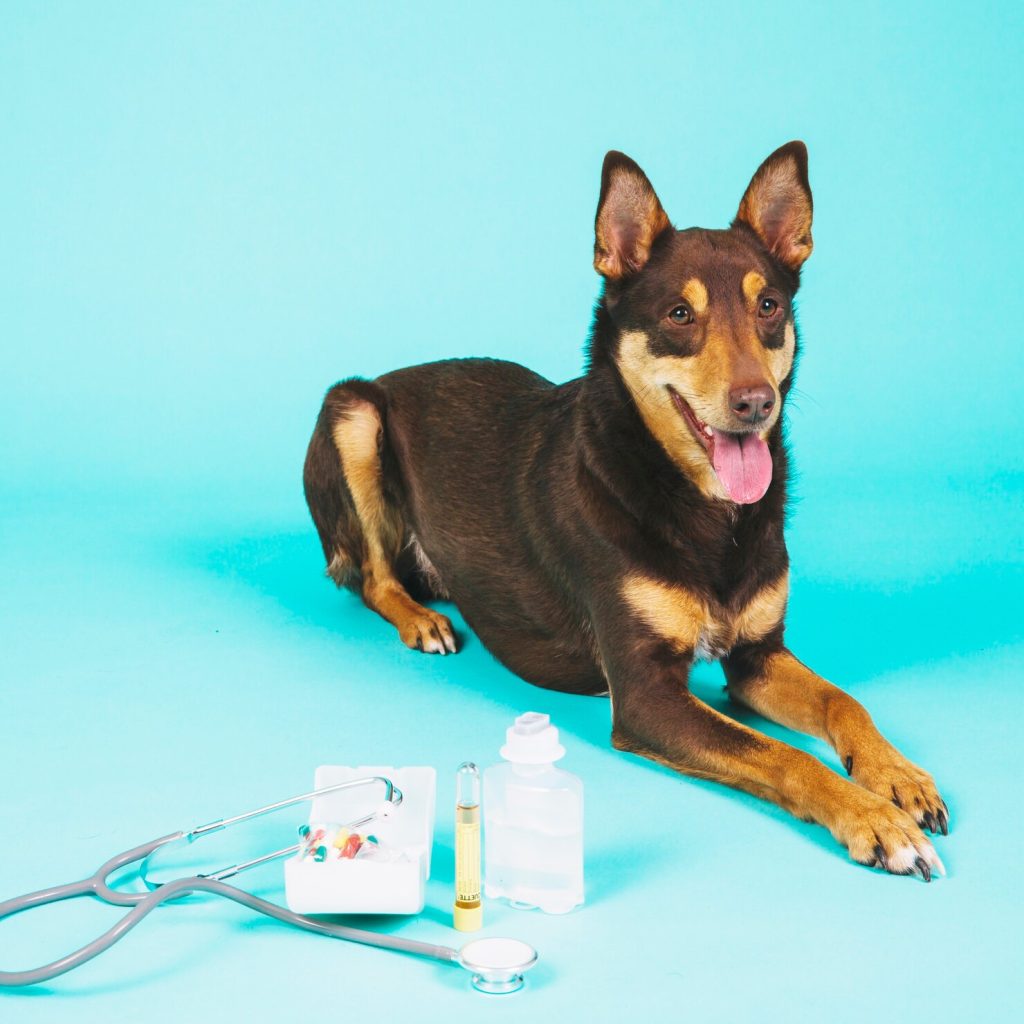
Vomiting in dogs can be caused by a variety of factors, from minor stomach upset to more serious health conditions. If your dog is frequently vomiting, it’s important to understand the underlying cause and find the appropriate medicine for vomiting in dogs to help ease their discomfort and address the issue. At Dr. Paws Clinic, we provide effective treatments and guidance for managing vomiting in dogs and ensuring they remain healthy and happy.
Why Does Vomiting Happen in Dogs?
Vomiting in dogs can happen for numerous reasons, including:
- Dietary indiscretion: Eating something they shouldn’t, like garbage or spoiled food.
- Food allergies or intolerances: Certain foods may trigger vomiting in sensitive dogs.
- Infections: Bacterial or viral infections affecting the gastrointestinal system.
- Parasites: Intestinal parasites can lead to vomiting in dogs.
- Toxins or poisons: Ingesting toxic substances such as household cleaners or plants.
- Motion sickness: Some dogs get nauseous or vomit during travel.
- Underlying health conditions: Conditions like pancreatitis, kidney disease, or gastrointestinal disorders.
If your dog is vomiting frequently or showing signs of lethargy, dehydration, or other concerning symptoms, it’s important to seek veterinary advice to determine the cause and find the right treatment.
Common Medicines for Vomiting in Dogs
When it comes to treating vomiting in dogs, the type of medicine prescribed will depend on the underlying cause. Common medications include:
- Anti-nausea medications: Drugs like maropitant (Cerenia) are commonly used to control nausea and vomiting in dogs. These medications help soothe the stomach and prevent further vomiting.
- Antacids and proton pump inhibitors: If your dog’s vomiting is related to acid reflux or gastritis, your vet may recommend antacids or proton pump inhibitors to reduce stomach acidity.
- Antibiotics: If the vomiting is caused by a bacterial infection, antibiotics may be prescribed to clear up the infection and stop the vomiting.
- Parasiticides: In cases where vomiting is caused by intestinal parasites, deworming medications will be given to eliminate the parasites from your dog’s system.
- Hydration therapy: In severe cases where vomiting leads to dehydration, intravenous (IV) fluids may be administered to rehydrate your dog.
At Dr. Paws Clinic, our experienced veterinarians will perform a thorough examination and recommend the appropriate medicine based on your dog’s symptoms and medical history.
Know more about
Tick treatment for dogs with vinegar
When Should You Seek Veterinary Help for Vomiting in Dogs?
Not all instances of vomiting in dogs require medication. Sometimes vomiting is a one-off occurrence and can be managed at home. However, you should seek veterinary help if your dog:
- Vomits frequently or persistently
- Displays other symptoms like lethargy, diarrhea, or loss of appetite
- Shows signs of dehydration, such as dry gums or excessive panting
- Is very young, elderly, or has pre-existing health conditions that could complicate their recovery
At Dr. Paws Clinic, we can help diagnose the cause of your dog’s vomiting and provide targeted treatment to ensure they recover quickly and comfortably.
Know more about
Do cat fleas transfer to humans?
Why Trust Dr. Paws Clinic for Your Dog’s Health?
At Dr. Paws Clinic, we understand how distressing it can be when your dog is unwell. Our team of experienced veterinarians is dedicated to providing effective, personalized care for your pet. If your dog is vomiting frequently or showing signs of illness, we are here to help diagnose the issue and provide the right treatment to ensure a speedy recovery.
Visit us at Dr. Paws Clinic, New Giza, for expert advice and the best care for your dog. We offer a range of services, from diagnosing gastrointestinal issues to prescribing the right medication for vomiting in dogs, ensuring your pet stays healthy and happy.
Most Popular FAQs About Medicine for Vomiting in Dogs
What is the best medicine for vomiting in dogs?
The best medicine for vomiting in dogs depends on the underlying cause. Common treatments include anti-nausea medications like maropitant (Cerenia), antacids, or antibiotics for infections. It’s essential to consult with a veterinarian to determine the right treatment for your dog’s specific condition.
Can I give my dog human anti-nausea medication for vomiting?
It is not recommended to give your dog human anti-nausea medication without consulting a veterinarian. Some human medications can be toxic to dogs, and the proper dosage varies based on your dog’s size, breed, and health condition. Always consult your vet before giving any medication.
How can I prevent my dog from vomiting in the future?
To prevent future vomiting episodes, you should ensure your dog has a balanced diet, avoid feeding them table scraps or harmful foods, and make sure they don’t eat things they shouldn’t. Regular vet check-ups, vaccinations, and parasite control also play a crucial role in maintaining your dog’s overall health and preventing vomiting caused by infections or parasites.