
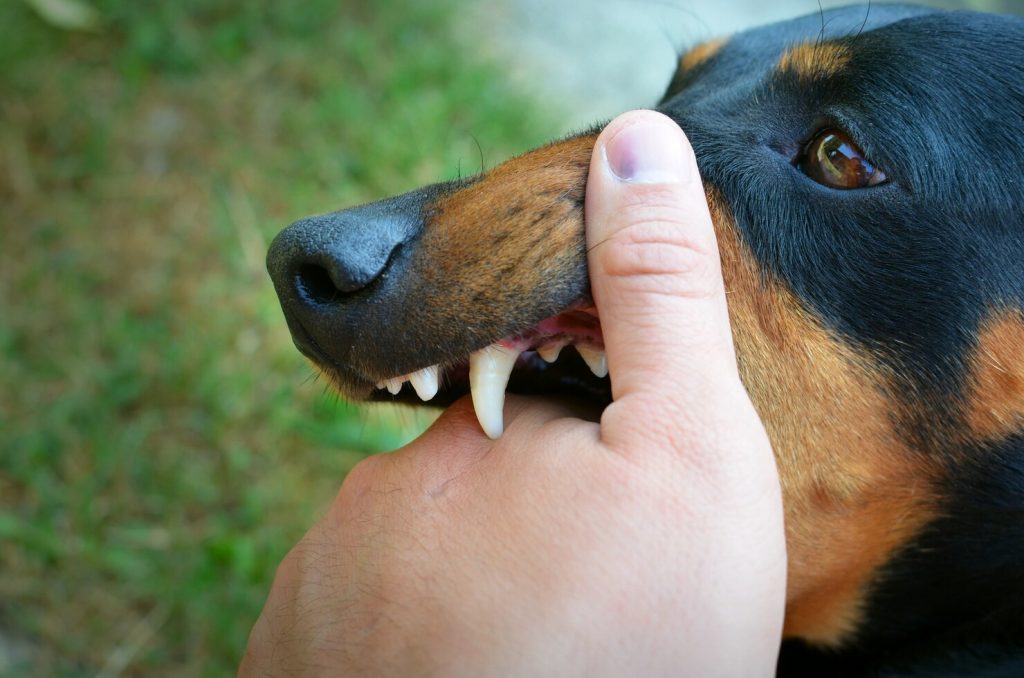
When Do Dog Bite Symptoms Appear?
Symptoms of a dog bite can appear almost immediately after the bite occurs, or they may develop over the course of several hours or days. The timing largely depends on factors such as the location of the bite, the depth of the wound, and whether the dog’s teeth broke the skin. In general, the following symptoms can appear shortly after a dog bite:- Pain and Swelling: This is the most immediate sign. The bite area will often become painful and swollen, indicating inflammation and possible infection.
- Redness and Warmth: The skin around the bite may appear red and feel warm to the touch, signaling the body’s response to injury.
- Pus or Discharge: If the bite wound becomes infected, you may notice pus or other discharge coming from the wound within a few hours to a day after the bite.
- Fever and Lethargy: In some cases, if the infection spreads, your dog may develop a fever and show signs of lethargy or decreased appetite, usually appearing within a day or two after the injury.
Why Is It Important to Seek Treatment for Dog Bites?
Prompt treatment of dog bites is essential to reduce the risk of infections like rabies, tetanus, or other bacterial infections. These can occur if bacteria from the dog’s mouth enters the body through the wound. Treatment often involves cleaning the wound, administering antibiotics, and possibly a tetanus shot. For deeper bites, your dog may require stitches or more advanced care. At Dr. Paws Clinic, we provide comprehensive wound care, including thorough cleaning, stitches if needed, and close follow-up to ensure your dog heals well. If your dog has been bitten, or if you’re unsure whether symptoms of a dog bite have appeared, don’t hesitate to contact Dr. Paws Clinic New Giza. Our experienced team is here to provide the necessary care to ensure your pet’s health and safety. Schedule an appointment today to address any concerns and keep your furry friend healthy.Common FAQs About Dog Bite Symptoms
How soon after a dog bite should I take my dog to the vet?
If you notice any immediate signs such as swelling, pain, or bleeding that doesn’t stop, you should seek veterinary care as soon as possible. For minor bites, monitoring the wound for signs of infection for 24-48 hours is advised. If symptoms worsen or your dog seems to be in pain, a vet visit is necessary.
What are the signs that a dog bite has become infected?
Signs of infection include increased redness, swelling, heat, discharge (such as pus), and a foul odor from the wound. Additionally, if your dog develops a fever, becomes lethargic, or loses appetite, these could be signs that the bite has become infected.
Can a dog bite cause long-term health problems?
If untreated, dog bites can lead to serious health issues such as chronic infections, scarring, or in rare cases, rabies or tetanus. Early intervention and treatment can significantly reduce the risk of long-term health problems, ensuring a quicker and healthier recovery for your dog.
Medical note: This content is for awareness only and does not replace a veterinary examination. If your pet has severe symptoms such as breathing difficulty, bleeding, suspected poisoning, urinary blockage, repeated vomiting, seizures, or sudden lethargy, contact a veterinary clinic immediately.