
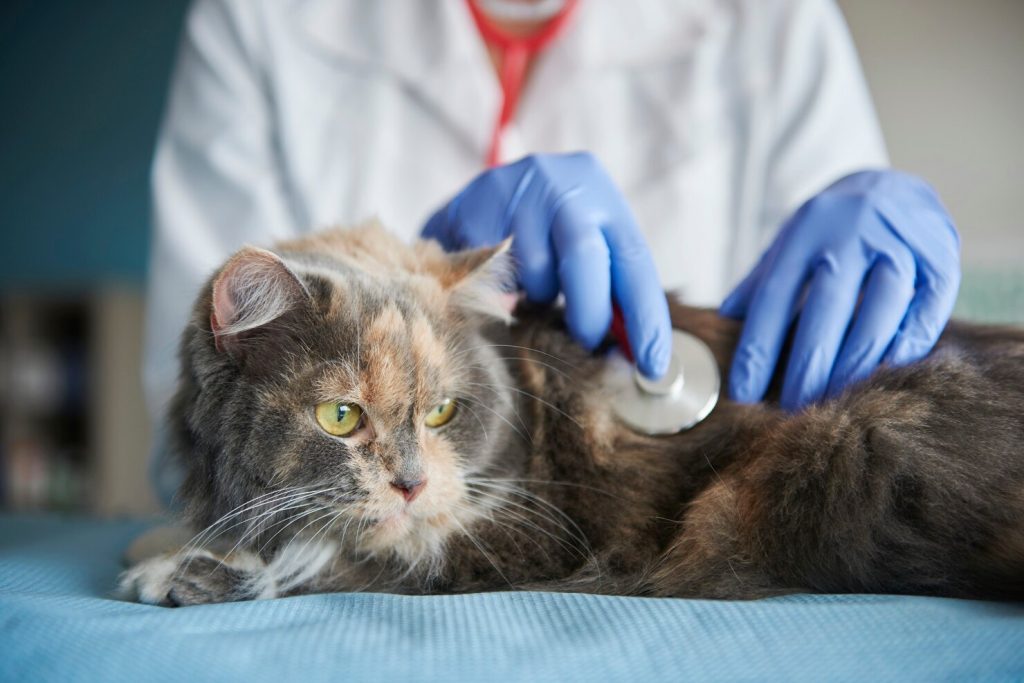
If there is one thing every cat owner should know, it is this: the cat rabies vaccine is not optional. Rabies is one of the most dangerous and universally fatal viral diseases known to both animals and humans. Once clinical symptoms appear, survival rates drop to nearly zero — and that applies to your cat just as much as it applies to you.
The good news is that prevention is simple, safe, and completely within your reach.
At Dr. Paws New Giza, we believe every cat deserves a long, healthy, and protected life. That is why we offer a complete vaccination experience using the latest approved vaccines, delivered by a team that genuinely cares about your pet as if it were their own.
How Does Rabies Spread to Cats? Understanding the Real Risk
Before diving deeper into the cat rabies vaccine, it helps to understand exactly what you are protecting your cat from.
The rabies virus spreads through the saliva of an infected animal, most commonly through:
- A bite from an infected animal such as a stray dog, wild cat, or bat
- A scratch from an infected animal if saliva comes into contact with the wound
- Direct contact between infected saliva and an open wound or mucous membrane
What makes rabies particularly dangerous is its incubation period, which can last anywhere from one week to several months. During this time, a cat can appear completely healthy while still being capable of transmitting the virus. This alone makes the cat rabies vaccine a non-negotiable part of responsible pet ownership.
When Should You Start Your Cat’s Rabies Vaccination Schedule?
Timing is everything when it comes to the cat rabies vaccine, and it is one of the most common questions our team at Dr. Paws receives. Here is a clear breakdown:
| Age | Recommended Action |
| 12 weeks (3 months) | First rabies vaccine dose |
| 1 year after first dose | First booster shot |
| Every 1 to 3 years | Ongoing boosters depending on vaccine type |
Some modern vaccines provide protection for up to three years, and our team at Dr. Paws will guide you toward the best option based on your cat’s health profile and lifestyle.
Has your cat passed the 12-week mark without being vaccinated yet? Do not wait any longer. Contact us now on WhatsApp or call us directly at +201060504468 to schedule an appointment as soon as possible.
Know more about
Types of Rabies Vaccines for Cats – Which One Is Right for Your Pet?
Not all vaccines are the same, and at Dr. Paws New Giza we take the time to match every cat with the most suitable option.
- Inactivated (Killed) Vaccine This vaccine contains a completely inactivated form of the rabies virus. It is extremely safe and is often the preferred choice for pregnant cats or those with a weakened immune system. It typically requires an annual booster to maintain full protection.
- Recombinant Vaccine One of the most advanced options currently available, this vaccine uses modern biotechnology and contains no preservatives that could trigger allergic reactions. It delivers strong, long-lasting immunity and is becoming increasingly popular in modern veterinary practice.
- Combination Vaccine This option bundles the rabies vaccine together with other essential vaccinations such as herpesvirus and calicivirus protection, making the entire vaccination session less stressful for your cat while keeping everything on schedule.
Our veterinary team at Dr. Paws will conduct a thorough health assessment before recommending the most appropriate vaccine for your cat’s specific needs.
Know more about
Veterinary Boarding & Medical Pet Stay
Is the Cat Rabies Vaccine Safe? Side Effects Explained Honestly
This is one of the most important questions cat owners ask, and you deserve a straight answer. The cat rabies vaccine is considered very safe, and the vast majority of cats experience no significant side effects. When reactions do occur, they are typically mild and short-lived, including:
- Mild fatigue or drowsiness for 24 to 48 hours after vaccination
- Slight tenderness or swelling at the injection site
- Reduced appetite for a day or so
- A minor and temporary rise in body temperature
In rare cases, a more significant reaction may occur. Contact your veterinarian immediately if you notice:
- Visible swelling of the face or body
- Difficulty breathing
- Persistent vomiting or diarrhea
At Dr. Paws, we do not just administer the vaccine and send you home. Our support team is available to answer any questions you may have after your cat’s appointment, because your peace of mind matters to us just as much as your cat’s health.
Concerned about how your cat is feeling after their vaccination? Call us immediately or send us a message on WhatsApp and we will get back to you right away.
Do Indoor Cats Need the Rabies Vaccine Too?
This is a common misconception worth addressing directly. Many cat owners assume that because their cat never leaves the house, they are not at risk. The reality tells a very different story.
Accidental escapes happen. A cat can slip out of an open door or balcony just once, and that single moment of exposure to an infected stray can change everything.
Other animals visit your home. A friend’s pet or a new animal you bring home may be carrying the virus without showing any symptoms.
Bats and insects can enter indoors. Bats are one of the most common carriers of the rabies virus, and they can find their way into homes through windows, vents, and small openings.
Legal requirements exist. In many countries and regions, rabies vaccination is legally required for all cats regardless of whether they live indoors or outdoors.
Do not leave your cat’s safety — or your family’s safety — to chance. The cat rabies vaccine takes minutes to administer and provides years of reliable protection.
Why Choose Dr. Paws New Giza for Your Cat’s Rabies Vaccination?
At Dr. Paws New Giza, we offer far more than a simple injection. Here is what sets us apart:
- Specialized veterinarians with extensive experience in feline medicine
- Internationally approved vaccines stored under strict cold chain conditions
- A calm and cat-friendly environment designed to minimize stress and anxiety
- A complete medical record system that tracks your cat’s full vaccination history
- Post-vaccination follow-up support so you are never left with unanswered questions
- Transparent pricing with no hidden fees or surprises
We do not just treat cats. We build lasting relationships with every pet owner who walks through our doors, because we understand that your cat is family.
Ready to book your cat’s rabies vaccination? Reach out to us on WhatsApp, call us at +201060504468, or visit our contact page on the website. Our team is ready to help.
Warning Signs of Rabies in Cats – What Every Owner Should Recognize
Knowing what rabies looks like in a cat is part of being a responsible and informed pet owner. The disease progresses in three distinct stages:
- Early Stage (2 to 3 days) You may notice sudden and unexplained changes in your cat’s personality. A normally affectionate cat may become withdrawn or irritable, while a shy cat may suddenly seem unusually bold. Loss of appetite and general restlessness are also common early signs.
- Middle Stage (1 to 4 days) This is where the disease becomes more visible and more dangerous. Affected cats may display unprovoked aggression, excessive drooling, difficulty swallowing, and extreme sensitivity to light and sound.
- Final Stage Progressive paralysis sets in, followed by seizures and eventually death. There is no treatment once the disease reaches this point.
If you or anyone in your household is bitten or scratched by a cat suspected of having rabies, seek emergency medical attention immediately and report the incident to the relevant authorities without delay.
The cat rabies vaccine is one of the simplest and most impactful steps you can take as a cat owner. It takes just a few minutes, it is backed by decades of veterinary science, and it protects a life that depends entirely on you.
At Dr. Paws New Giza, we are here to make this process as smooth, comfortable, and reassuring as possible — for you and for your cat.
Frequently Asked Questions About the Cat Rabies Vaccine
At what age can cats receive the rabies vaccine?
The first dose can be administered from 12 weeks of age, which is the globally recommended starting point for feline rabies vaccination.
How often does a cat need the rabies vaccine?
Cats receive their first dose at around 3 months, followed by a booster one year later, and then either annually or every three years depending on the specific vaccine used.
Is the injection painful for the cat?
The sensation is minimal and lasts only a second. Most cats handle it very well, especially in a calm and gentle environment like Dr. Paws.
Can a pregnant cat receive the rabies vaccine?
It is generally advisable to avoid vaccination during pregnancy unless absolutely necessary. Safer vaccine options do exist for pregnant cats, and our team will help you navigate the best course of action.