
What is the Treatment for Hair Loss in Persian Cats?
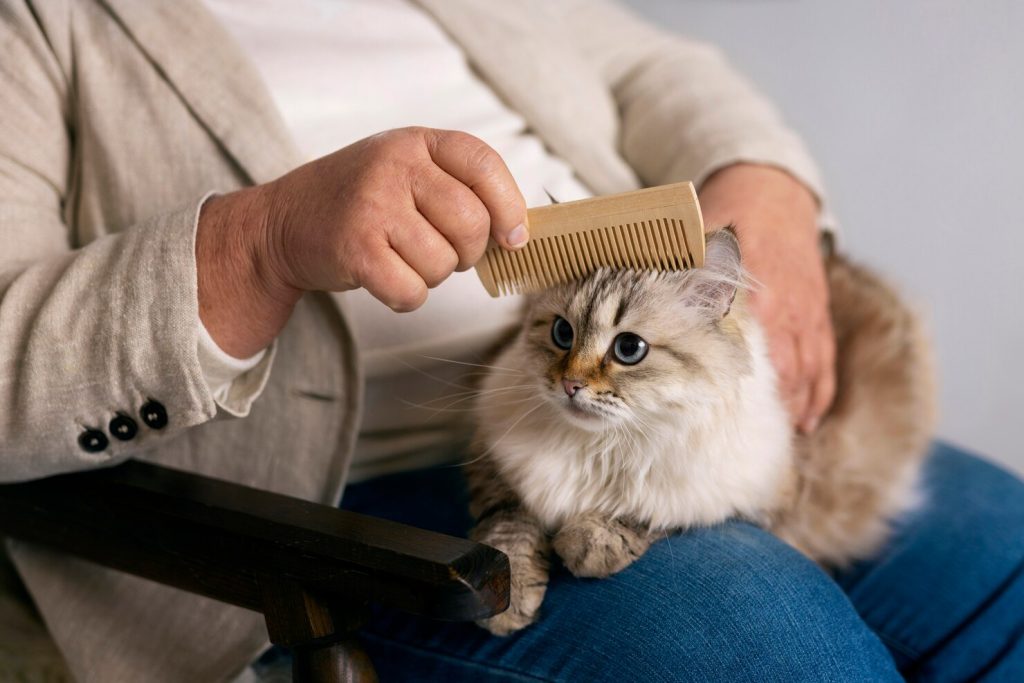
Hair loss in Persian cats, also known as alopecia, can be caused by several factors, ranging from grooming habits to underlying health conditions. It’s important to address hair loss early to prevent further complications and ensure your cat’s coat remains healthy. Common treatments for hair loss in Persian cats include:- Regular Grooming and Brushing: Persian cats have long, dense fur that requires regular grooming to prevent matting and tangling. Mats can lead to skin irritation, which may contribute to hair loss. Brushing your Persian cat at least 3-4 times a week helps remove loose fur and prevents tangling, ensuring that the coat remains healthy and shiny.
- Dietary Changes and Supplements: A lack of proper nutrition can also contribute to hair loss in Persian cats. A balanced diet rich in omega-3 fatty acids, vitamins, and minerals is essential for maintaining a healthy coat. Adding high-quality supplements to your cat’s diet can help improve coat health and reduce hair shedding.
- Topical Treatments: In some cases, topical treatments such as medicated shampoos or conditioners may be prescribed to treat fungal or bacterial infections that could be causing hair loss. These treatments help promote healing and prevent further hair loss.
- Veterinary Care: If the hair loss is due to an underlying health issue, such as a fungal infection, thyroid disorder, or parasites, a veterinarian may prescribe medications to treat the root cause. In some cases, antibiotics or antifungal treatments may be necessary to restore the health of your cat’s skin and coat.
- Stress Management: Persian cats are sensitive to changes in their environment and routine, and stress can lead to hair loss. Creating a calm, stable environment for your cat can reduce stress and prevent hair loss caused by anxiety.
Causes of Hair Loss in Persian Cats
There are several reasons why a Persian cat may experience hair loss:- Allergies: Cats can develop allergies to food, environmental factors, or grooming products, leading to hair loss, itching, and skin irritation.
- Parasites: Fleas, mites, and other external parasites can cause hair loss in Persian cats. Regular flea treatments and parasite prevention are crucial to maintaining a healthy coat.
- Health Issues: Conditions like hypothyroidism, ringworm, or other systemic diseases can contribute to hair loss. A thorough veterinary examination is essential to diagnose and treat these issues.
- Hormonal Imbalances: Hormonal changes, especially during the mating season, can lead to temporary hair loss in some Persian cats.
Common FAQs About Hair Loss in Persian Cats
What causes hair loss in Persian cats?
Hair loss in Persian cats can be caused by a variety of factors, including allergies, parasites, stress, hormonal imbalances, or underlying health conditions such as hypothyroidism or fungal infections. It's important to consult with a veterinarian to identify the cause of hair loss.
How can I treat hair loss in my Persian cat?
The treatment for hair loss in Persian cats depends on the underlying cause. Regular grooming, a balanced diet with supplements, topical treatments, and proper veterinary care can help restore the health of your cat's coat. In some cases, medications may be required to address infections or hormonal imbalances.
Is it normal for Persian cats to shed a lot?
While it is normal for all cats to shed, Persian cats with their long, dense coats require more frequent grooming to manage shedding. Daily or regular brushing is recommended to prevent mats and tangling, which can lead to hair loss. If your Persian cat is shedding excessively or has bald patches, it could be a sign of an underlying issue that requires veterinary attention.
Medical note: This content is for awareness only and does not replace a veterinary examination. If your pet has severe symptoms such as breathing difficulty, bleeding, suspected poisoning, urinary blockage, repeated vomiting, seizures, or sudden lethargy, contact a veterinary clinic immediately.