
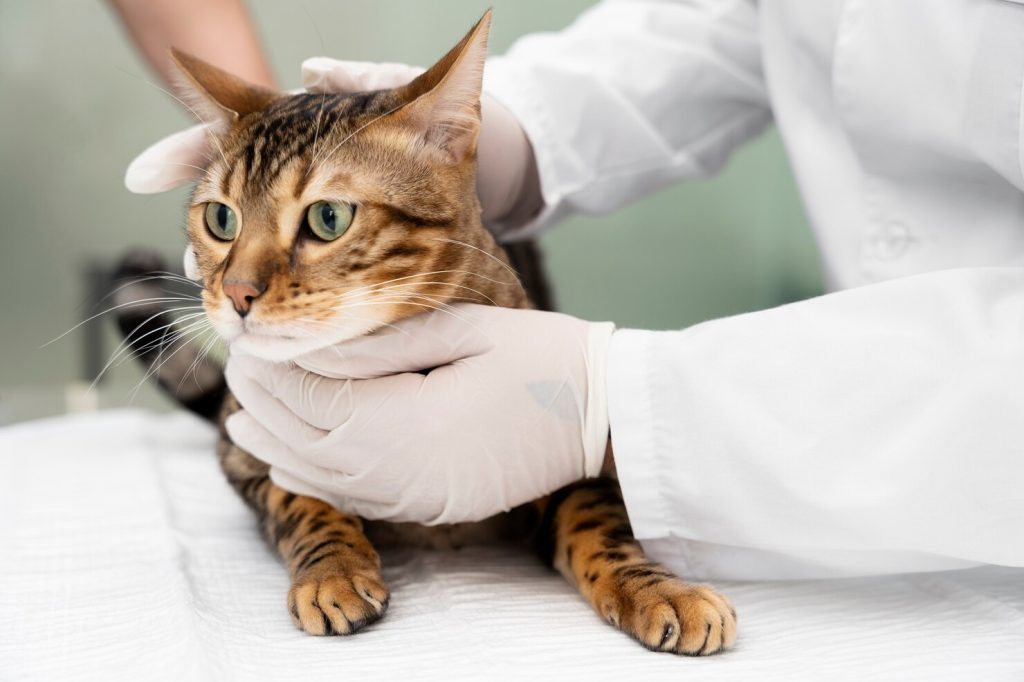
Cat poisoning symptoms are among the most commonly overlooked emergencies in feline care. What starts as what seems like an off day — a little quieter than usual, not finishing their food — can escalate into a life-threatening crisis within hours. The problem is that cats are extraordinarily good at hiding discomfort, which means by the time something looks obviously wrong, the situation may already be serious.
Cats are naturally curious animals. They explore with their noses and mouths, they groom themselves constantly, and they investigate every corner of the home. This makes them far more vulnerable to accidental poisoning than most owners realize. Household cleaners, decorative plants, certain foods that seem completely harmless to us — any of these can become a genuine danger to your cat.
At Dr. Paws New Giza, we handle feline poisoning cases with the speed and precision they demand, because we know that in these situations, time is not just important — it is everything.
The Most Common Cat Poisoning Symptoms — Broken Down by Body System
One of the reasons cat poisoning symptoms are so easy to miss is that they do not always look the same. The signs vary significantly depending on what the cat was exposed to, how much she ingested, and how long ago it happened. Understanding what to look for across different body systems gives you a much better chance of catching the problem early.
- Digestive Symptoms Sudden and repeated vomiting is usually the first thing owners notice. This may be accompanied by diarrhea, and in more serious cases, there may be traces of blood in either. A complete and sudden loss of appetite, combined with visible abdominal discomfort when you touch your cat’s belly, are strong indicators that something is wrong internally.
- Neurological Symptoms These are among the most alarming cat poisoning symptoms and signal that the toxin has reached the central nervous system. Seizures, uncontrollable trembling, loss of coordination while walking, or your cat circling repeatedly without purpose — any of these require immediate emergency care. Do not wait to see if they pass on their own.
- Respiratory Symptoms Labored breathing, unusually rapid breath, or open-mouth breathing in a cat that is not overheating are serious red flags. Cats do not normally breathe through their mouths, so when they do, it almost always indicates significant internal distress affecting the lungs or cardiovascular system.
- Physical Changes You Can See Unusually dilated pupils, yellowing of the whites of the eyes or the gums, pale or bluish gums, and skin irritation or intense scratching in cases of external exposure to pesticides or chemicals — all of these are visible signs of poisoning that should prompt immediate action.
- Behavioral Changes Do not wait for the physical symptoms to become dramatic. Your cat communicates distress through behavior first. Sudden withdrawal, hiding in unusual places, an unexplained collapse in energy, or an inability to jump or play the way she normally does — these behavioral shifts are often the earliest warning your cat gives you, and they deserve your full attention.
If you notice any of these signs, do not search for home remedies or wait to see if things improve on their own. Call us immediately at +201060504468 or reach out via WhatsApp and our team will guide you through every step.
Know more about
Cat Poisoning Treatment at Home
What Causes Cat Poisoning? The Dangers Already Sitting in Your Home
The most unsettling truth about feline poisoning is that the dangers are rarely exotic or unusual. In most cases, the source of the problem is something already present in the home — something the owner never suspected could cause harm.
- Toxic Foods Onions and garlic in any form — raw, cooked, or powdered — destroy red blood cells in cats and cause severe anemia. Chocolate contains theobromine, a compound that cats cannot metabolize safely. Grapes and raisins are linked to acute kidney failure even in very small amounts. Caffeine from coffee, tea, or energy drinks, and alcohol even in trace amounts, can both be fatal to cats.
- Toxic Houseplants Many of the most popular decorative plants are highly toxic to cats. Lilies of any variety are particularly dangerous and can cause complete kidney failure within 24 to 72 hours of exposure — even licking pollen off their fur is enough. Dieffenbachia, pothos, and croton are also common household plants that pose a real risk.
- Household Chemicals and Cleaning Products Insecticides, rodenticides, bleach-based cleaners, disinfectants, and antifreeze — which contains ethylene glycol and has a sweet taste that attracts cats — are all frequent culprits. Air fresheners and certain scented sprays can also cause respiratory irritation or worse.
- Human Medications This is an area that catches many owners off guard. Paracetamol, even in a single dose, can be fatal to a cat. Ibuprofen causes severe gastrointestinal and kidney damage. Antidepressants, heart medications, and sleep aids are equally dangerous. Never give your cat any medication intended for humans without explicit veterinary guidance.
Know more about
Cat Poisoning Treatment — What Happens at Dr. Paws and What You Should Never Do at Home
Cat poisoning treatment is not a one-size-fits-all process. The approach depends entirely on the type of toxin involved, the amount ingested, and how much time has passed since exposure. This is precisely why professional veterinary intervention cannot be replaced by any home remedy, no matter how well-intentioned.
What Our Team at Dr. Paws Does When Your Cat Arrives The first priority is rapid stabilization and assessment. Our veterinarians evaluate your cat’s vital signs and symptoms immediately to determine the severity and likely source of poisoning. If the exposure was recent, controlled induction of vomiting or administration of activated charcoal may be used to prevent further absorption of the toxin into the bloodstream. Intravenous fluid therapy is a cornerstone of cat poisoning treatment, supporting kidney function, preventing dehydration, and helping the body eliminate toxins more efficiently. In severe cases, specific antidotes or intensive monitoring may be required.
What You Should Never Do Before Reaching the Clinic Do not attempt to induce vomiting at home unless a veterinarian explicitly tells you to. Certain toxins cause additional damage coming back up, making the situation significantly worse. Do not give your cat milk — this is a persistent myth that has no medical basis. Milk does not neutralize toxins and can add further stress to an already compromised digestive system. Do not administer any human medication hoping it might help.
The single most important thing you can do at home is act fast and contact a professional immediately. Successful cat poisoning treatment depends above all else on how quickly the cat receives proper medical care.
Every minute counts in a poisoning situation. If you suspect your cat has been exposed to anything harmful, contact us immediately on WhatsApp or call +201060504468. Our team is ready to help you right now.
How to Protect Your Cat from Poisoning Before It Ever Happens
Prevention is always easier than cat poisoning treatment, and creating a safer home environment for your cat requires less effort than you might think.
Store all medications and cleaning products in closed cabinets that your cat cannot access. Review every plant in your home and replace any toxic varieties with cat-safe alternatives. Be mindful of where you set down food, particularly anything containing onions, garlic, grapes, or chocolate. Keep rodenticides and insecticides completely out of reach, and choose pet-safe formulas wherever possible.
Most importantly, make regular wellness check-ups at Dr. Paws a consistent part of your routine. A healthy cat with a well-monitored medical history is far easier to treat in an emergency than one whose baseline health is unknown.
Why Dr. Paws New Giza Is the Right Choice When Every Second Matters
When your cat’s life is on the line, the quality of care she receives in those first critical hours makes all the difference. At Dr. Paws New Giza, you will find:
- Feline medicine specialists with deep experience in emergency toxicology cases
- Advanced diagnostic equipment for fast and accurate identification of the toxin type
- Up-to-date cat poisoning treatment protocols aligned with current international veterinary standards
- A calm and carefully designed clinical environment that supports recovery
- A dedicated support team available to follow up with you after treatment and answer every question you have
Your cat deserves care from people who understand what she is going through and know exactly how to help her. That is what we offer every single day.
Want to book a routine check-up or need urgent advice about your cat’s health? Reach us on WhatsApp, call +201060504468, or visit our contact page on the website. We are always here.
Final Word — Being Prepared Is the Greatest Act of Love
Cat poisoning symptoms do not announce themselves conveniently. They appear suddenly, escalate quickly, and leave very little room for hesitation. The owners who respond well in these moments are not the ones who panic least — they are the ones who already knew what to look for and who to call.
At Dr. Paws New Giza, we are more than a veterinary clinic. We are the team standing beside you every step of the way, from routine prevention to emergency cat poisoning treatment, because we understand that your cat is not just a pet — she is part of your family.
Frequently Asked Questions About Cat Poisoning Symptoms and Treatment
What is the very first thing I should do if I suspect my cat has been poisoned?
Call a veterinarian immediately. Do not attempt any home treatment, and do not wait for symptoms to get worse before acting. Time is the most critical factor in any poisoning case.
How quickly do cat poisoning symptoms appear after exposure?
It depends entirely on the substance involved. Some toxins cause visible symptoms within minutes, while others — particularly certain plants and medications — may take several hours or even days to produce noticeable signs. This is why you should seek veterinary advice even before symptoms appear if you know or suspect your cat has ingested something harmful.
Can a cat fully recover from poisoning?
Yes, in most cases cats make a complete recovery when cat poisoning treatment is started promptly. The prognosis drops significantly with delayed treatment, which is why early action is so essential.
Is plant poisoning more dangerous than food poisoning in cats?
Both can be life-threatening depending on what is involved. Lily poisoning, for example, can cause complete kidney failure within hours. The danger lies in the specific substance rather than the category it belongs to.